
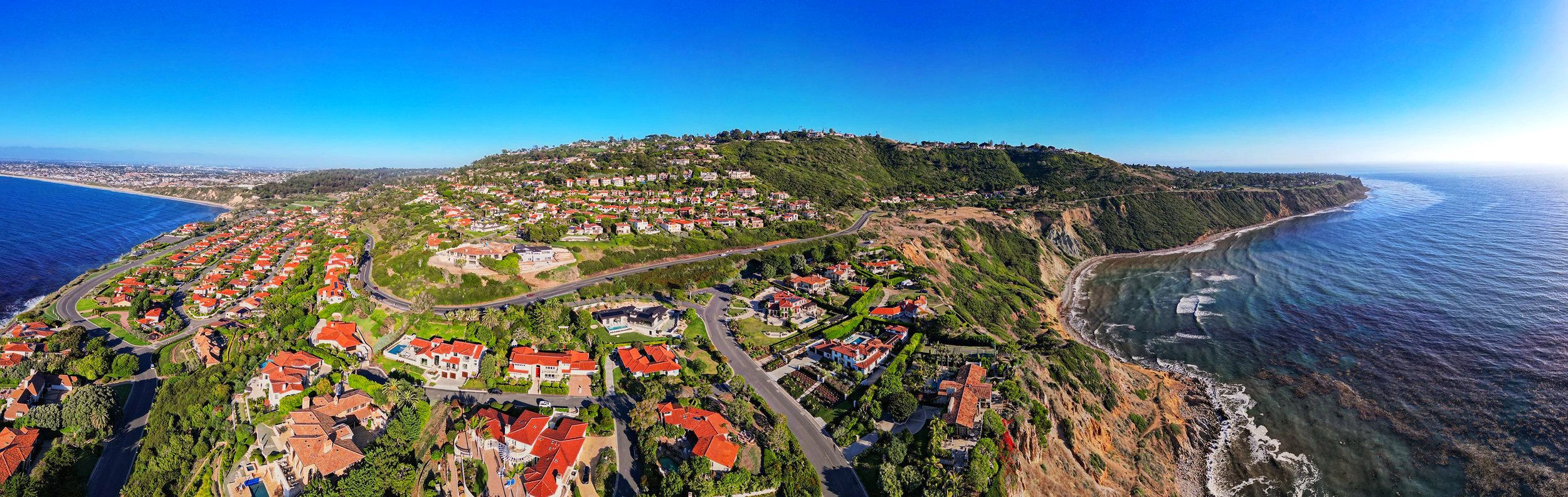
Palos Verdes Estates’ unique charm is reflected in its magnificent trees, ocean vistas, architecture, dedicated open space, protected coastal habitats, and scenic roadways
Photo by Mo Kim
This site does not use cookies. Period. Enjoy your much deserved privacy.
Now is an Opportunity for our Beloved City to Unite Around What We all Care about
Measure PF was unsuccessful and did not pass. Voter support remains at a 41%, opposition at 59% LINK.
We have an opportunity to leverage the benefits of PF, while addressing concerns about the tax and how it was marketed.
Residents polled overwhelmingly their priorities are:
Fiscal stability
Safety Services
Keeping our Local Police
This means placing our city on a path to fiscal stability with accountability and funding our local police and fire services.
A reasonable parcel tax for for these priorities is something our community can genuinely get behind.
We will find a path forward together with openness and Inclusivity — not with fear or division.
Protecting Open Space is important to residents.
The PVE Land Preservation Act provides residents a vote to decide when/if our open space will be rezoned for development.

2022: Our city passed the PVE Land Preservation Act. The Act requires voter approval to rezone our Open Space. Link (slide 17)
2023: May 10th, the Council Adhoc (Roos & Kemps) proposed rezoning Open Space for development in a Housing Element contract with the State. The Adhoc acknowledged the issue and directed Staff to address. LINK
PreservePVE provided details: LINK
The Adhoc provided an updated proposal which excluded Open Space LINK. The Adhoc received community concerns about inequitable distribution of density, since it included the entire Lunada Bay commercial area. LINK
The Adhoc directed Staff to identify a pool of locations to consider and discuss this pool with the state, then bring back further information to full Council for final selection.
2024: In February, a pool of locations was presented LINK and the Council passed a motion to select the sites of: LINK
Patio Building (Lunada Bay)
First Church of Christ, Scientist (Valmonte)
Buildings behind City Hall (Malaga Cove)
Next Steps:
Staff obtains verbal approval from HCD (the state) of proposed sites selected by Council.
5/21: Planning Commission approval
Council approval
HCD formal review pending rezoning (60 days)
Council rezones the selected sites
Community Newsletters
-
Jan: Council Abandons their own Tax Proposal. Why? LINK
Feb: Your Feedback is shaping a better tax proposal LINK
Mar: PVE Tax Presentation Tomorrow 3/14 Malaga Cove Library LINK
Apr: VOTE NO on Measure PF Boondoggle LINK
Apr: Measure PF triples Nov 2026 taxes LINK
May: Measure PF Funding Explodes: Follow the Money LINK
May: PF: PVE to become the highest taxed city in CA LINK
-
Jan: Making Safety a Priority LINK
Feb: Is PVE Safety Adequate? LINK
Apr: Taxes and Safety LINK
Apr: A Successful Path Forward LINK
May: Tax Survey Results LINK
Jun: Parcel Tax to Bypass 66% voter Approval Requirement? LINK
Jul: City Struggles to Justify largest City Parcel tax in California LINK
Jul: Parcel Tax Fast Facts LINK
Aug: Troubling Audit Pattern reveals Fraud Exposure LINK
Sep: Save Our Parkland (Open Space) LINKSep#2: Hydrants not tested for 15+ years & Reservoirs are empty Summary: LINK Details: LINK
Oct: PVE’s Tax Risks our Safety, Fiscal Stability and Parkland LINK
Nov #1: VERIFIED: PVE Hydrants NOT tested or maintained LINK
Nov#2: Council admits: Two taxes are planned LINK
-
Jan: Safety and Financials LINK
Feb: Council rezones for Density LINK
Mar: Taxes and Safety LINK
Apr: PVE’s 4th of July is Back LINK
May: Celebrating our Community LINK
Jun: Why Can’t PVE pass an audit? LINK
Aug: Town Hall: Forced Density - where will it end? LINK
Aug: Where did the Money Go? LINK
Oct: City Council Election LINK
Oct: Council Candidate forum & Preservation Act vs. CC&Rs LINK
-

We are residents preserving and supporting our beautiful city
PreservePVE remains committed to good governance, free speech and presenting official actions by our governing bodies. No one’s character is attacked or degraded. We need a better path forward together.